10 Essential Car Maintenance Tips Every Driver Should Know in 2026
Owning a car in 2026 comes with many conveniences, but it also brings responsibilities. Proper car maintenance is one of the most important things every driver should understand. Regular maintenance not only helps your vehicle run smoothly but also prevents expensive repairs, improves safety, and extends the lifespan of your car.
Whether you drive a brand-new electric vehicle or a traditional gasoline car, keeping your vehicle in top condition should always be a priority. In this guide, we will explore 10 essential car maintenance tips every driver should know in 2026 to keep their vehicle reliable and efficient.
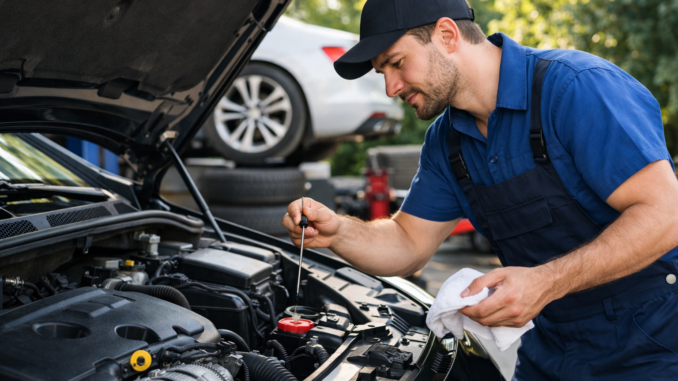
1. Check and Change Engine Oil Regularly
Engine oil is the lifeblood of your car’s engine. It lubricates the moving parts, reduces friction, and prevents overheating. Without proper lubrication, engine components can wear out quickly and lead to costly damage.
Experts recommend checking your oil level at least once a month and changing the oil according to your manufacturer’s recommendation, usually every 5,000 to 7,500 miles for most modern vehicles. However, some newer cars can go longer between oil changes.
Using high-quality oil ensures better engine performance and improved fuel efficiency. Always make sure you are using the correct oil type for your specific vehicle.
2. Maintain Proper Tire Pressure
Tires play a crucial role in both safety and performance. Driving with incorrect tire pressure can lead to poor fuel economy, uneven tire wear, and even dangerous blowouts.
Check your tire pressure at least once a month using a reliable tire pressure gauge. The recommended pressure can usually be found inside the driver’s door frame or in the owner’s manual.
Properly inflated tires provide:
- Better fuel efficiency
- Improved handling and stability
- Longer tire lifespan
- Increased road safety
In 2026, many modern vehicles include smart tire pressure monitoring systems (TPMS) that alert drivers when pressure is too low.
3. Replace Air Filters When Necessary
Air filters prevent dust, dirt, and debris from entering your engine. A dirty air filter restricts airflow, which can reduce engine performance and fuel efficiency.
Most mechanics recommend replacing the air filter every 12,000 to 15,000 miles, but this can vary depending on driving conditions.
Signs that your air filter may need replacement include:
- Reduced acceleration
- Poor fuel economy
- Unusual engine sounds
Replacing an air filter is one of the easiest and most affordable maintenance tasks that can make a noticeable difference in your car’s performance.
4. Monitor Brake System Health
Your braking system is one of the most critical safety components of your vehicle. Worn brake pads can significantly reduce stopping power and increase the risk of accidents.
Listen for warning signs such as:
- Squealing or grinding noises
- Vibrations when braking
- Increased stopping distance
Brake pads typically last 30,000 to 70,000 miles, depending on driving habits. Regular brake inspections ensure that your car remains safe on the road.
5. Keep Your Car Battery in Good Condition
A dead battery is one of the most common reasons cars fail to start. Modern vehicles rely heavily on electronic systems, making battery health even more important.
Most car batteries last 3 to 5 years, but extreme temperatures and frequent short trips can shorten their lifespan.
To maintain your battery:
- Check battery terminals for corrosion
- Ensure cables are securely connected
- Test the battery voltage periodically
If your car struggles to start or electrical components behave strangely, it may be time to replace the battery.
6. Inspect and Replace Windshield Wipers
Windshield wipers are essential for maintaining clear visibility during rain, snow, or dust storms. Over time, the rubber blades wear out and become less effective.
Drivers should replace wiper blades every 6 to 12 months, especially if they notice streaking, skipping, or squeaking during use.
In 2026, some vehicles feature automatic rain-sensing wipers, but even these systems require regular blade replacement to function properly.
7. Keep an Eye on Coolant Levels
The coolant system regulates your engine’s temperature and prevents overheating. Without sufficient coolant, your engine could suffer serious damage.
Drivers should check coolant levels regularly and ensure the coolant mixture is appropriate for the climate. Many manufacturers recommend flushing and replacing coolant every 2 to 5 years.
Signs of coolant issues include:
- Engine overheating
- Sweet-smelling odor from the engine
- Visible leaks under the vehicle
Maintaining the cooling system helps protect your engine from long-term damage.
8. Rotate Your Tires Regularly
Tire rotation helps distribute wear evenly across all four tires. Without rotation, some tires may wear out faster than others, reducing overall tire lifespan.
Most experts recommend rotating tires every 5,000 to 8,000 miles, often during routine oil changes.
Benefits of tire rotation include:
- Improved traction
- Longer tire life
- Better fuel efficiency
- Balanced vehicle handling
Regular rotation ensures that your tires perform consistently under different driving conditions.
9. Replace Spark Plugs on Time
Spark plugs ignite the air-fuel mixture in the engine, allowing it to produce power. Over time, spark plugs wear out and become less efficient.
Worn spark plugs can cause:
- Engine misfires
- Poor fuel economy
- Rough idling
- Slow acceleration
Most modern spark plugs last between 60,000 and 100,000 miles, but checking them during scheduled maintenance is always recommended.
Replacing spark plugs at the right time keeps your engine running smoothly and efficiently.
10. Wash and Protect Your Car Regularly
Many drivers overlook the importance of keeping their car clean, but regular washing does more than improve appearance. Dirt, road salt, and debris can damage your car’s paint and lead to rust over time.
Washing your vehicle regularly helps protect the exterior and maintain resale value. Applying wax every few months provides an additional protective layer against environmental damage.
Interior cleaning is equally important. Vacuuming seats and carpets prevents buildup of dust and allergens, making your driving environment more comfortable.
Final Thoughts
Proper vehicle maintenance is essential for keeping your car safe, reliable, and efficient in 2026. By following these 10 essential car maintenance tips, drivers can avoid costly repairs, improve fuel efficiency, and extend the lifespan of their vehicles.
Simple habits such as checking tire pressure, replacing air filters, and monitoring engine fluids can make a significant difference in overall vehicle performance. Regular maintenance also helps ensure that your car remains dependable for daily commuting, long road trips, and unexpected situations.
Whether you are a new driver or an experienced car owner, making car maintenance part of your routine will save you money and keep you safe on the road for years to come.