Top 10 Car Maintenance Tips to Keep Your Vehicle Running Like New
Owning a car is a major investment, and keeping it in excellent condition requires regular care and attention. Many drivers wait until something goes wrong before thinking about maintenance, but preventive car care can save you time, money, and stress. Regular maintenance not only improves your vehicle’s performance but also increases its lifespan and resale value.
Whether you drive daily for work, road trips, or family activities, following a few essential car maintenance tips can keep your vehicle running smoothly for years. In this guide, we’ll explore the top 10 car maintenance tips that every car owner should know to keep their vehicle running like new.
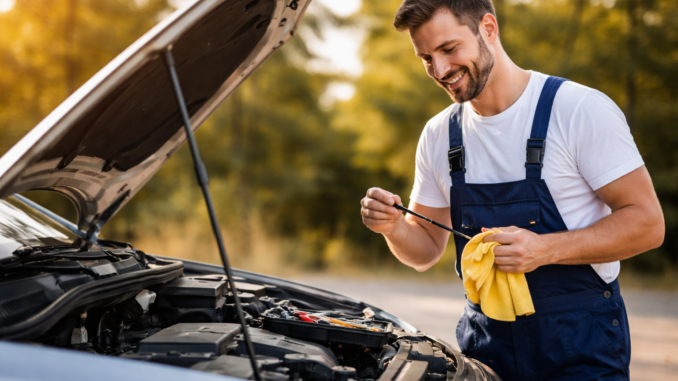
1. Change Engine Oil Regularly
Engine oil is the lifeblood of your vehicle’s engine. It lubricates moving parts, reduces friction, and helps prevent overheating. Over time, engine oil becomes dirty and loses its effectiveness.
Most vehicles require an oil change every 3,000 to 7,500 miles, depending on the car model and oil type. Always check your vehicle’s owner manual for the recommended interval.
Why regular oil changes matter:
- Keeps engine parts properly lubricated
- Prevents engine wear and damage
- Improves fuel efficiency
- Extends engine lifespan
Ignoring oil changes can cause severe engine problems that are expensive to repair.
2. Check and Maintain Tire Pressure
Tires play a crucial role in safety, fuel efficiency, and driving comfort. Underinflated or overinflated tires can lead to poor handling and increased tire wear.
You should check your tire pressure at least once a month and before long trips. Most vehicles have a recommended tire pressure level listed on a sticker inside the driver’s door.
Benefits of proper tire pressure:
- Better fuel economy
- Improved road safety
- Longer tire lifespan
- Smoother driving experience
Also remember to rotate your tires every 5,000–8,000 miles to ensure even wear.
3. Replace Air Filters When Needed
Your car has two important air filters:
- Engine air filter
- Cabin air filter
The engine air filter prevents dirt and debris from entering the engine, while the cabin air filter keeps the air inside your car clean.
A clogged air filter can reduce engine performance and fuel efficiency.
Typical replacement schedule:
- Engine air filter: every 12,000–15,000 miles
- Cabin air filter: every 15,000–30,000 miles
Replacing air filters is inexpensive and can significantly improve your car’s performance.
4. Inspect and Replace Brake Pads
Brakes are one of the most important safety components in your vehicle. Worn brake pads can reduce stopping power and increase the risk of accidents.
Signs your brake pads may need replacement include:
- Squealing or grinding noises
- Vibrations when braking
- Longer stopping distances
- Brake warning lights
Brake pads usually last 30,000 to 70,000 miles, depending on driving habits and road conditions. Regular inspections ensure your braking system remains reliable.
5. Keep Your Car Battery in Good Condition
A dead battery can leave you stranded unexpectedly. Most car batteries last 3 to 5 years, but extreme temperatures and heavy electrical use can shorten their lifespan.
To maintain your car battery:
- Check battery terminals for corrosion
- Ensure connections are tight
- Turn off lights and electronics when the engine is off
- Test battery voltage periodically
If your engine struggles to start or your lights appear dim, it might be time to replace the battery.
6. Monitor Fluid Levels
Your car relies on several essential fluids to function properly. Regularly checking and topping off these fluids helps maintain smooth operation.
Important fluids to monitor include:
- Engine coolant
- Brake fluid
- Transmission fluid
- Power steering fluid
- Windshield washer fluid
Low or contaminated fluids can lead to serious mechanical issues. Checking fluid levels once a month is a simple but effective maintenance habit.
7. Replace Wiper Blades for Clear Visibility
Windshield wipers are often overlooked, but they are essential for safe driving in rain, snow, or dusty conditions.
Wiper blades should typically be replaced every 6 to 12 months or when you notice:
- Streaks on the windshield
- Skipping or squeaking sounds
- Reduced visibility during rain
Installing new wiper blades is quick, inexpensive, and improves driving safety.
8. Keep Your Car Clean Inside and Out
Regular car washing and interior cleaning help maintain your vehicle’s appearance and protect it from damage.
Dirt, road salt, and bird droppings can damage your car’s paint if left untreated. Washing your car every two weeks helps preserve the exterior finish.
Interior cleaning is equally important. Vacuuming carpets, wiping surfaces, and removing trash keeps the cabin comfortable and prevents odors.
Benefits of keeping your car clean include:
- Protecting paint and bodywork
- Maintaining resale value
- Creating a pleasant driving environment
- Preventing rust and corrosion
9. Follow the Recommended Service Schedule
Every car manufacturer provides a recommended maintenance schedule in the owner’s manual. This schedule outlines when to inspect or replace specific components.
Common scheduled services include:
- Timing belt replacement
- Spark plug replacement
- Transmission service
- Cooling system inspection
Following this schedule helps prevent major problems before they occur. It also ensures your vehicle continues to perform efficiently and safely.
10. Pay Attention to Warning Lights and Unusual Sounds
Modern vehicles are equipped with advanced diagnostic systems that alert drivers when something is wrong. Ignoring warning lights can lead to more serious damage.
Common dashboard warning lights include:
- Check engine light
- Battery warning light
- Oil pressure warning
- Brake system warning
If a warning light appears, consult your owner’s manual or visit a qualified mechanic as soon as possible.
You should also pay attention to unusual sounds such as:
- Knocking or rattling noises
- Squealing belts
- Grinding when braking
Addressing these issues early can prevent costly repairs later.
Additional Tips to Extend Your Car’s Lifespan
Beyond routine maintenance, adopting good driving habits can also help keep your car running like new.
Drive Smoothly
Aggressive acceleration and sudden braking put unnecessary stress on your vehicle. Driving smoothly reduces wear on the engine, brakes, and tires.
Avoid Overloading Your Vehicle
Carrying excessive weight can strain the suspension, brakes, and engine. Always follow your vehicle’s recommended load capacity.
Warm Up Your Engine in Cold Weather
Allowing the engine to warm up for a short period during cold weather can improve performance and protect engine components.
Park in Shade or Garage
Parking in a garage or shaded area protects your car from sun damage, fading paint, and overheating interiors.
Why Regular Car Maintenance Is Important
Many drivers view car maintenance as an inconvenience, but the benefits far outweigh the effort. Proper maintenance provides several advantages:
Improved Safety
Regular inspections ensure critical components like brakes, tires, and lights function correctly.
Better Fuel Efficiency
A well-maintained engine consumes less fuel, saving money over time.
Lower Repair Costs
Preventive maintenance is much cheaper than major repairs caused by neglect.
Higher Resale Value
Cars with documented maintenance history typically sell for higher prices.
Final Thoughts
Keeping your vehicle running like new doesn’t require advanced mechanical knowledge. By following these top 10 car maintenance tips, you can protect your investment and enjoy a reliable driving experience.
Simple habits like changing the engine oil, checking tire pressure, replacing filters, and monitoring fluid levels can make a huge difference in your car’s performance and longevity.
Remember, regular maintenance is not just about preventing problems—it’s about ensuring your vehicle remains safe, efficient, and dependable for years to come.
Taking care of your car today means fewer surprises on the road tomorrow.