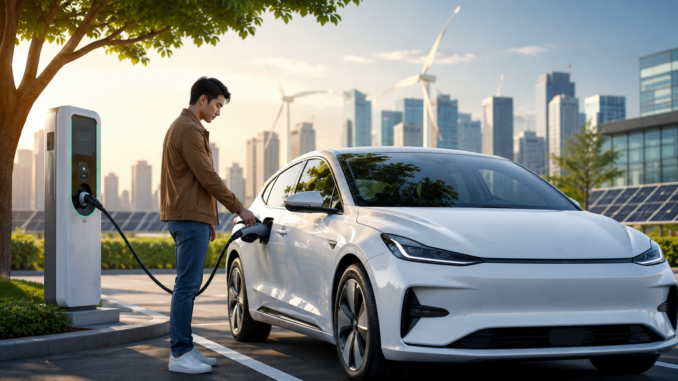
How Electric Vehicles Are Transforming the Automotive Industry: Trends and Benefits
Introduction
The automotive industry is undergoing one of the most significant transformations in its history, driven by the rapid rise of electric vehicles (EVs). Once considered a niche market, electric vehicles have become a mainstream transportation solution as consumers, governments, and manufacturers focus on sustainability, innovation, and energy efficiency.
In 2026, the global shift toward electric mobility continues to accelerate. Advances in battery technology, expanding charging infrastructure, government incentives, and increasing environmental awareness have fueled the adoption of electric vehicles worldwide. Major automakers are investing billions of dollars in EV development, while new startups are introducing innovative models that challenge traditional automotive norms.
As electric vehicles become more accessible and practical, they are reshaping every aspect of the automotive industry—from manufacturing and supply chains to consumer behavior and transportation infrastructure. This article explores the key trends driving the EV revolution and the benefits electric vehicles bring to consumers, businesses, and the environment.
The Rise of Electric Vehicles
Electric vehicles have evolved dramatically over the past decade. Early EVs were often criticized for limited driving range, high costs, and a lack of charging stations. Today, technological advancements have addressed many of these concerns, making EVs a viable option for everyday drivers.
Modern electric vehicles offer impressive ranges, faster charging times, and advanced features that rival or exceed those of traditional gasoline-powered cars. As battery production scales up and manufacturing costs decrease, electric vehicles are becoming increasingly affordable for a wider range of consumers.
This growth is supported by government policies aimed at reducing greenhouse gas emissions and promoting clean energy transportation.
Key Trends Driving the EV Revolution
1. Rapid Improvements in Battery Technology
Battery technology remains at the heart of electric vehicle innovation. Manufacturers continue to develop batteries with higher energy density, longer lifespan, and faster charging capabilities.
New battery designs allow drivers to travel greater distances on a single charge while reducing concerns about range anxiety. Improved battery efficiency also helps lower overall vehicle costs, making EVs more attractive to consumers.
In addition, advancements in battery recycling are helping create a more sustainable lifecycle for electric vehicles.
2. Expansion of Charging Infrastructure
One of the most significant developments in the EV market is the expansion of charging networks. Public charging stations are becoming more common in cities, shopping centers, workplaces, and along highways.
Fast-charging technology has dramatically reduced charging times, allowing drivers to recharge their vehicles in a fraction of the time previously required.
As charging infrastructure becomes more widespread, electric vehicles are increasingly practical for both urban commuters and long-distance travelers.
3. Government Support and Incentives
Governments around the world are encouraging electric vehicle adoption through various incentives and regulations.
Common incentives include:
- Tax credits
- Purchase rebates
- Reduced registration fees
- Access to carpool lanes
- Lower road taxes
Many countries have also established targets to reduce emissions and phase out new gasoline-powered vehicle sales in the coming decades. These policies continue to accelerate the transition toward electric mobility.
4. Increased Investment by Automakers
Automotive manufacturers are making substantial investments in electric vehicle development. Nearly every major automaker now offers electric models or has announced plans to transition significant portions of their lineup to electric power.
Companies are building dedicated EV production facilities, developing proprietary battery technologies, and expanding research into autonomous and connected vehicle systems.
This competition is driving innovation and providing consumers with more choices than ever before.
5. Integration of Smart Technologies
Electric vehicles often serve as platforms for advanced digital technologies. Many EVs feature:
- Over-the-air software updates
- Advanced driver-assistance systems
- Artificial intelligence-powered controls
- Smartphone integration
- Real-time vehicle diagnostics
These features improve convenience, safety, and overall user experience while allowing manufacturers to continuously enhance vehicle performance through software updates.
Benefits of Electric Vehicles
Lower Operating Costs
One of the most attractive benefits of electric vehicles is their lower operating cost compared to traditional internal combustion engine vehicles.
Electric motors contain fewer moving parts, reducing maintenance requirements and repair expenses. EV owners typically spend less on:
- Oil changes
- Engine repairs
- Transmission maintenance
- Exhaust system repairs
Electricity is often cheaper than gasoline on a per-mile basis, resulting in significant long-term savings.
Reduced Environmental Impact
Environmental sustainability is a major factor driving EV adoption. Electric vehicles produce zero tailpipe emissions, helping reduce air pollution in urban areas.
By replacing gasoline and diesel vehicles with electric alternatives, cities can improve air quality and reduce greenhouse gas emissions. As renewable energy sources become more common, the environmental benefits of electric vehicles continue to increase.
Many consumers choose EVs as part of a broader commitment to sustainable living and environmental responsibility.
Improved Energy Efficiency
Electric vehicles are significantly more energy-efficient than conventional vehicles. While gasoline engines lose a substantial amount of energy as heat, electric motors convert a much larger percentage of stored energy into movement.
This efficiency allows electric vehicles to travel farther using less energy, making them a practical and cost-effective transportation solution.
Higher energy efficiency also contributes to lower operating expenses and reduced environmental impact.
Enhanced Driving Experience
Many drivers are surprised by the performance capabilities of electric vehicles. EVs deliver instant torque, providing quick acceleration and smooth power delivery.
Additional advantages include:
- Quiet operation
- Reduced vibration
- Smooth acceleration
- Better driving comfort
The absence of engine noise creates a more relaxing driving environment, especially during daily commutes.
Lower Maintenance Requirements
Traditional vehicles rely on complex mechanical systems that require regular servicing. Electric vehicles simplify many of these components.
Because EVs do not require engine oil, spark plugs, fuel filters, or many other conventional maintenance items, owners often experience fewer service visits and lower maintenance costs over time.
This simplicity is a major selling point for consumers seeking reliable and low-maintenance transportation.
How Electric Vehicles Are Reshaping the Automotive Industry
Manufacturing Transformation
The shift toward electric mobility is changing how vehicles are designed and manufactured. Automakers are retooling factories, retraining workers, and investing in new production processes.
Battery production has become a central focus, leading to the construction of large-scale battery manufacturing facilities around the world.
Supply chains are also evolving as manufacturers secure access to critical materials such as lithium, nickel, and cobalt.
Growth of New Business Models
Electric vehicles are creating opportunities for new business models across the automotive ecosystem.
Examples include:
- Battery leasing services
- Vehicle subscription programs
- Charging network operators
- Energy management solutions
- Software-based vehicle services
These innovations are generating new revenue streams while enhancing the overall ownership experience.
Increased Focus on Sustainability
Sustainability has become a strategic priority for automotive manufacturers. Companies are not only producing electric vehicles but also adopting environmentally responsible manufacturing practices.
Many automakers are working toward carbon-neutral production facilities, increased use of recycled materials, and more sustainable supply chains.
This commitment reflects growing consumer demand for environmentally conscious products.
Accelerating Innovation
Competition within the EV market is accelerating innovation across the automotive industry.
Manufacturers are continuously developing:
- Better batteries
- Faster charging systems
- Autonomous driving technologies
- Advanced safety features
- Connected vehicle services
As a result, consumers benefit from more sophisticated and technologically advanced vehicles.
Challenges Facing Electric Vehicle Adoption
Despite significant progress, several challenges remain.
Charging Accessibility
While charging infrastructure continues to expand, access can still be limited in some regions, particularly rural areas.
Continued investment in public charging networks will be essential to support widespread EV adoption.
Battery Production and Resources
The growing demand for batteries increases pressure on supply chains and raw material sourcing.
Industry leaders are investing in recycling technologies and alternative battery chemistries to address these concerns.
Initial Purchase Price
Although operating costs are lower, some electric vehicles still have higher upfront prices than comparable gasoline models.
However, declining battery costs and increased production volumes are gradually narrowing this gap.
The Future of Electric Vehicles
The future of electric vehicles looks increasingly promising. Industry analysts expect EV adoption to continue growing as technology improves and charging networks expand.
Emerging innovations such as solid-state batteries, vehicle-to-grid technology, and autonomous driving systems could further transform transportation in the coming years.
As governments, manufacturers, and consumers embrace cleaner mobility solutions, electric vehicles are likely to play a central role in shaping the future of transportation.
Conclusion
Electric vehicles are transforming the automotive industry at an unprecedented pace. Advances in battery technology, expanding charging infrastructure, government support, and growing consumer demand have positioned EVs as a major force in the future of mobility.
The benefits of electric vehicles—including lower operating costs, reduced environmental impact, enhanced performance, and simplified maintenance—make them an increasingly attractive option for drivers worldwide.
As innovation continues and adoption expands, electric vehicles will remain at the forefront of automotive industry transformation, creating a cleaner, smarter, and more sustainable transportation ecosystem for future generations.