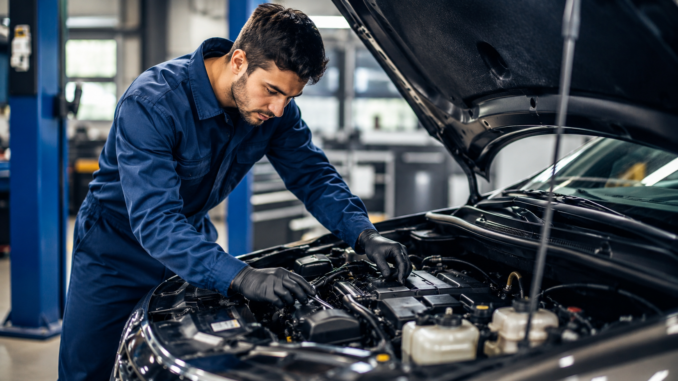
Top 10 Automotive Maintenance Tips to Extend Your Vehicle’s Lifespan in 2026
Introduction
Owning a vehicle is a significant investment, and proper maintenance is the key to protecting that investment for years to come. As automotive technology continues to evolve in 2026, routine vehicle care has become more important than ever. Whether you drive a traditional gasoline-powered car, a hybrid, or an electric vehicle, following the right maintenance practices can improve performance, increase fuel efficiency, reduce repair costs, and extend your vehicle’s lifespan.
Many drivers only visit a mechanic when something goes wrong. However, preventive automotive maintenance helps identify potential issues before they become expensive problems. By developing good maintenance habits, you can keep your car running smoothly while maintaining its resale value.
In this guide, we’ll explore the top 10 automotive maintenance tips that can help extend your vehicle’s lifespan and keep it operating at peak performance throughout 2026 and beyond.
1. Follow Your Manufacturer’s Maintenance Schedule
One of the most important steps in vehicle maintenance is following the service schedule recommended by your vehicle’s manufacturer. Every vehicle is designed with specific maintenance intervals for oil changes, fluid replacements, filter changes, brake inspections, and other essential services.
Ignoring scheduled maintenance can lead to premature wear and expensive repairs. Modern vehicles often provide maintenance reminders through dashboard alerts, making it easier than ever to stay on track.
Review your owner’s manual and create a maintenance calendar to ensure no service appointments are missed.
Benefits:
- Prevents unexpected breakdowns
- Improves vehicle reliability
- Extends engine life
- Maintains warranty coverage
2. Change Engine Oil Regularly
Engine oil plays a critical role in lubricating moving parts, reducing friction, and preventing excessive wear. Over time, oil breaks down and becomes contaminated with dirt and debris.
Regular oil changes remain one of the most effective automotive maintenance tips for extending engine life. Depending on your vehicle and driving conditions, oil changes may be needed every 5,000 to 10,000 miles.
Using the manufacturer-recommended oil type can further improve engine performance and fuel efficiency.
Signs You Need an Oil Change:
- Dark or dirty oil
- Engine noise
- Reduced fuel economy
- Oil warning light
3. Monitor Tire Health and Pressure
Your tires are the only point of contact between your vehicle and the road. Proper tire maintenance improves safety, fuel economy, and overall vehicle performance.
Check tire pressure at least once a month and before long trips. Underinflated tires can increase fuel consumption and cause uneven wear, while overinflated tires may reduce traction.
Additionally, rotate your tires according to the manufacturer’s recommendations to ensure even tread wear.
Tire Maintenance Checklist:
- Check pressure monthly
- Inspect tread depth
- Rotate tires regularly
- Balance wheels when necessary
- Align wheels if the vehicle pulls to one side
4. Replace Air Filters When Needed
Your vehicle contains both an engine air filter and a cabin air filter. The engine air filter prevents dust and debris from entering the engine, while the cabin filter improves air quality inside the vehicle.
A clogged engine air filter can reduce fuel efficiency and engine performance. Replacing filters at recommended intervals helps maintain optimal airflow and overall efficiency.
Clean air filters contribute to smoother engine operation and better driving comfort.
5. Keep Fluids at Proper Levels
Modern vehicles rely on several essential fluids to operate efficiently. These include:
- Engine coolant
- Brake fluid
- Transmission fluid
- Power steering fluid
- Windshield washer fluid
Low or contaminated fluids can lead to overheating, brake failure, transmission damage, and other costly issues.
Regularly inspect fluid levels and top them off when necessary. If you notice leaks, unusual odors, or changes in fluid color, schedule an inspection immediately.
Why Fluid Maintenance Matters:
- Prevents overheating
- Protects critical components
- Improves system performance
- Reduces repair expenses
6. Pay Attention to Brake Maintenance
Your braking system is one of the most important safety components of your vehicle. Ignoring brake issues can increase stopping distances and create dangerous driving conditions.
Have your brakes inspected regularly and replace worn brake pads before they damage rotors. Listen for warning signs such as squealing, grinding, or vibrations during braking.
Routine brake maintenance helps ensure safe operation while preventing more expensive repairs down the road.
Common Brake Warning Signs:
- Squeaking noises
- Grinding sounds
- Soft brake pedal
- Vehicle pulling while braking
- Dashboard brake warning light
7. Maintain Your Battery
Vehicle batteries are often overlooked until they fail unexpectedly. Extreme temperatures, short trips, and aging can reduce battery performance over time.
Inspect battery terminals for corrosion and ensure connections remain tight. Most automotive batteries have a lifespan of three to five years, though this can vary based on climate and driving habits.
Testing your battery periodically can help identify weakness before it leaves you stranded.
Battery Maintenance Tips:
- Clean terminals regularly
- Check voltage levels
- Secure battery mounting
- Replace aging batteries proactively
8. Drive Responsibly and Avoid Aggressive Habits
Your driving style has a direct impact on vehicle longevity. Aggressive acceleration, hard braking, and excessive speeding place additional stress on critical components.
Smooth driving habits reduce wear on the engine, transmission, brakes, and suspension system. Consistent, moderate driving can significantly extend the life of your vehicle while improving fuel efficiency.
In addition, avoiding excessive idling can help reduce engine wear and fuel consumption.
Smart Driving Practices:
- Accelerate gradually
- Maintain safe speeds
- Avoid sudden stops
- Reduce unnecessary idling
- Use cruise control on highways when appropriate
9. Keep Your Vehicle Clean Inside and Out
Regular cleaning does more than improve appearance. Dirt, road salt, bird droppings, and environmental contaminants can damage paint and contribute to rust formation.
Wash your vehicle regularly and apply protective wax coatings when needed. Pay special attention to the undercarriage if you frequently drive in areas with road salt or harsh weather conditions.
Interior maintenance is equally important. Keeping the cabin clean helps preserve upholstery, dashboard materials, and overall vehicle value.
Cleaning Benefits:
- Prevents corrosion
- Preserves paint quality
- Maintains resale value
- Improves driving comfort
10. Address Problems Early
One of the biggest mistakes vehicle owners make is ignoring minor issues. Small problems often develop into major repairs when left unresolved.
If you notice unusual sounds, warning lights, vibrations, leaks, or changes in performance, investigate them promptly. Modern vehicles include sophisticated diagnostic systems that can help identify problems before serious damage occurs.
Early intervention often saves money and prevents unexpected breakdowns.
Issues Never to Ignore:
- Check engine light
- Fluid leaks
- Strange noises
- Excessive smoke
- Poor fuel economy
- Unusual vibrations
The Future of Automotive Maintenance in 2026
Automotive maintenance continues to evolve with advances in vehicle technology. Many modern vehicles now feature predictive maintenance systems that use sensors and artificial intelligence to monitor vehicle health in real time.
Connected vehicle technologies can notify drivers of maintenance needs through smartphone apps, making it easier to stay informed about service requirements. Electric vehicles also require specialized maintenance procedures, including battery system monitoring and software updates.
Despite these technological advancements, the fundamentals of preventive maintenance remain essential for maximizing vehicle lifespan.
Conclusion
Proper automotive maintenance is one of the smartest investments any vehicle owner can make. By following these top 10 automotive maintenance tips, you can improve reliability, reduce repair costs, enhance safety, and significantly extend your vehicle’s lifespan in 2026.
Regular oil changes, tire care, fluid inspections, brake maintenance, battery monitoring, and responsible driving habits all contribute to long-term vehicle health. Most importantly, addressing minor issues before they become major problems can save both time and money.
Whether you own a new vehicle or an older model, consistent preventive maintenance will help ensure years of dependable performance and a higher resale value. Start implementing these maintenance practices today and enjoy a smoother, safer, and longer-lasting driving experience.